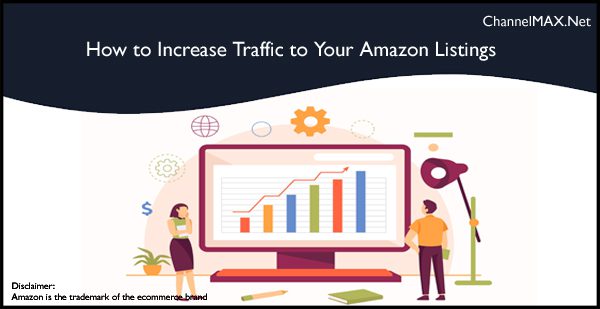
Learn how to drive more traffic to your Amazon product listings, improve search rankings, and increase conversions with practical Amazon SEO and marketing strategies.
Selling on Amazon is highly competitive, with millions of products competing for customer attention. Simply creating a listing is not enough—you need a regular stream of visitors to your product pages. More traffic means more opportunities to generate sales, improve rankings, and strengthen your brand presence.
This article explains what Amazon listing traffic is, why it matters, and the practical strategies sellers can use to attract more potential buyers and increase conversions.
What Is Amazon Listing Traffic?
Amazon listing traffic refers to the number of shoppers who visit your product page. These visitors may discover your products through Amazon search results, product recommendations, sponsored ads, social media, email campaigns, or other external sources.
The more qualified traffic your Amazon product listing receives, the greater your chances of generating sales and improving product performance.
Why Increasing Traffic Matters
Growing traffic to your Amazon listings can have a significant impact on your business.
1. More Sales Opportunities: Higher traffic means more potential customers viewing your product. As visibility increases, so does the likelihood of generating additional sales.
2. Better Search Rankings: Amazon’s search algorithm favors products that consistently generate sales. Increased traffic often leads to more purchases, which can improve your ranking in search results.
3. Greater Brand Awareness: The more shoppers who see your products, the more familiar they become with your brand. Over time, this recognition can build trust and encourage repeat purchases.
4. More Customer Reviews: Higher sales volumes often result in more customer feedback. Positive reviews strengthen credibility and can improve conversion rates.
5. Increased Average Order Value: More traffic creates additional opportunities to promote related products, bundles, and upsells, helping increase overall revenue per customer.
Strategies to Increase Traffic to Amazon Listings
1. Optimize Your Listings for Amazon Search: Amazon SEO helps your products appear in front of shoppers searching for related items.
Best Practices:
- Use Relevant Keywords: Research keywords your target audience uses and include them naturally throughout your listing.
- Create Clear Product Titles: Write descriptive titles that explain exactly what the product is while including important search terms.
- Improve Bullet Points: Highlight the most important features and benefits in a simple, easy-to-read format.
- Write Detailed Product Descriptions: Explain how the product works, who it is for, and why customers should choose it.
- Use Backend Search Terms: Add additional keywords in Amazon’s backend section to increase visibility for related searches.
2. Use High-Quality Images and Videos: Visual content strongly influences purchasing decisions.
Ways to Improve Visual Content:
- Professional Product Photos: Use clear, high-resolution images that showcase the product from multiple angles.
- Lifestyle Images: Show products being used in real-world situations to help customers visualize how the product will fit into their daily lives.
- Product Videos: Videos demonstrate how the product works and answer customer questions, often leading to higher conversion rates.
Also Read: Amazon Product Videos: How to Boost Conversions with Engaging Visual Content
3. Run Amazon PPC Campaigns: Amazon advertising can quickly increase product visibility and drive targeted traffic.
PPC Strategies:
- Sponsored Products: Promote individual products within search results and product pages.
- Automatic Campaigns: Allow Amazon to discover relevant keywords and search terms.
- Manual Campaigns: Focus advertising budgets on high-performing keywords identified through campaign data.
- Optimize Regularly: Monitor clicks, conversions, and advertising costs to improve campaign performance over time.
Also Read: Amazon Advertising Campaign: A Complete Guide to Maximizing Sales
4. Bring Traffic from External Sources: External traffic can help expand your audience beyond Amazon shoppers.
Effective External Traffic Channels:
- Social Media Marketing: Promote products through platforms such as Facebook, Instagram, TikTok, and Pinterest.
- Influencer Partnerships: Work with creators who have audiences that match your target market.
- Email Marketing: Share product launches, promotions, and special offers with existing customers.
5. Use Competitive Pricing: Pricing directly affects click-through rates and conversion rates.
Pricing Strategies:
- Automated Repricing: Tools like ChannelMAX Repricer can adjust prices automatically based on market conditions and competitor activity.
- Seasonal Promotions: Offer discounts during holidays, shopping events, and peak buying periods.
- Product Bundles: Combine complementary products to increase perceived value and encourage purchases.
Also Read: How Amazon Repricing Tools Work: A Guide for New Sellers
6. Get More Positive Reviews: Customer Reviews help build trust and influence buying decisions.
Best Practices:
- Request Reviews: Use Amazon’s “Request a Review” feature after purchases.
- Deliver Excellent Service: Quick responses and positive customer experiences often lead to better reviews.
- Resolve Issues Quickly: Address customer concerns before they become negative feedback.
7. Take Advantage of Amazon Promotions: Amazon provides several promotional tools that can increase visibility.
Popular Promotion Options:
- Lightning Deals: Create urgency with limited-time discounts.
- Coupons: Display savings directly in search results and product pages.
- Subscribe & Save: Encourage repeat purchases for products people use regularly.
8. Improve Your Click-Through Rate (CTR): Getting impressions is important, but convincing shoppers to click is equally critical.
Ways to Improve CTR:
- Use Eye-Catching Main Images: Your primary image should immediately grab attention.
- Offer Attractive Pricing: Competitive pricing can help shoppers choose your product over similar alternatives.
- Write Compelling Titles: Use words like “Best,” “Top Rated,” “Limited Edition,” or “Eco-Friendly” to grab buyer attention and generate more clicks
Common Mistakes to Avoid
1. Ignoring Mobile Shoppers: A large percentage of Amazon customers shop on mobile devices. Make sure your images, titles, and bullet points display clearly on mobile devices, as a poor mobile experience can reduce conversions.
2. Overlooking Reviews: Even strong traffic won’t convert well if shoppers see poor reviews or unresolved complaints. Regularly monitor customer feedback and use it to improve your products and overall customer experience.
3. Setting Prices Too High: Overpricing can reduce both clicks and conversions, regardless of traffic volume. Compare your pricing with similar products in your category to ensure you remain competitive while maintaining healthy profit margins.
4. Relying Only on Organic Traffic: Combining organic optimization with advertising often produces faster results. A balanced approach that includes PPC campaigns, social media promotion, and SEO can help accelerate traffic growth.
5. Not Tracking Performance: Without monitoring traffic and conversion data, it becomes difficult to identify opportunities for improvement. Review performance metrics regularly so you can quickly adjust your strategy and focus on what is generating the best results.
How to Measure Traffic Performance
Tracking performance helps identify which strategies generate the best results.
1. Amazon Brand Analytics: Brand-registered sellers can access detailed traffic and customer behavior data.
This information can help you understand which keywords drive the most traffic and how customers discover your products. By analyzing search terms and purchasing behavior, you can make better decisions about listing optimization and advertising campaigns.
2. Seller Central Reports: Monitor impressions, clicks, sessions, and conversion rates regularly.
Tracking these metrics over time helps you identify trends and quickly spot performance drops. If impressions are increasing but conversions remain low, it may indicate that your listing needs better images, pricing, or content.
3. A/B Testing: Test different images, titles, and pricing strategies to improve results.
Small changes can sometimes lead to significant improvements in click-through rates and conversions. Testing one element at a time makes it easier to determine what influences customer behavior and buying decisions.
4. Continuous Optimization: Use performance data to refine listings and marketing efforts.
Amazon’s marketplace is constantly changing, so what works today may not work a few months later. Regular optimization helps you stay competitive and adapt to changing customer preferences and market trends.
5. Third-Party Analytics Tools: Additional tools can provide deeper insights into competitor activity, keyword performance, and traffic trends.
Using such tools can also help uncover new keyword opportunities, identify gaps in your strategy, and compare your performance against competitors. Using external analytics alongside Amazon’s built-in reports can give you a more complete view of your business performance.
Increasing traffic to your Amazon listings requires more than simply attracting visitors—it requires attracting the right visitors and converting them into customers. By improving product listing, using Amazon PPC, leveraging external marketing channels, collecting reviews, and maintaining competitive pricing, you can steadily grow traffic and improve sales performance.
Consistently monitoring your results and refining your strategy will help you stay competitive and build long-term success on Amazon.
Disclaimer:
Amazon is a registered trademark of the e-commerce brand.
Frequently Asked Questions (FAQs)
1. How can I increase traffic to my Amazon listing?
You can increase traffic by optimizing your product listings with relevant keywords, using high-quality images, running Amazon PPC campaigns, encouraging customer reviews, offering competitive pricing, and driving visitors from external sources such as social media and email marketing.
2. Does Amazon SEO help increase listing traffic?
Yes. Amazon SEO helps your products appear in relevant search results when customers look for products similar to yours. Optimizing titles, bullet points, descriptions, and backend keywords can improve visibility and attract more organic traffic.
3. What is the fastest way to get more traffic on Amazon?
Amazon PPC advertising is one of the fastest ways to increase traffic. Sponsored Product Ads can place your products at the top of search results, helping you reach potential buyers quickly.
4. Can social media help drive traffic to Amazon listings?
Yes. Platforms such as Facebook, Instagram, TikTok, Pinterest, and YouTube can help bring external traffic to your Amazon listings. Sharing product content, promotions, and reviews can increase visibility and attract new customers.
5. Do customer reviews affect Amazon traffic?
Positive reviews can improve both conversions and visibility. Products with strong ratings and a higher number of reviews often attract more clicks and may perform better in Amazon search results.
6. How do I know if my Amazon listing is getting enough traffic?
You can monitor traffic through Amazon Seller Central reports and Amazon Brand Analytics. Key metrics such as impressions, clicks, sessions, click-through rate (CTR), and conversion rate can help you evaluate listing performance.
7. Does pricing impact traffic on Amazon?
Yes. Competitive pricing can increase clicks and conversions. Customers often compare prices before purchasing, so maintaining attractive pricing can help bring more visitors to your product pages.
8. How often should I optimize my Amazon listings?
Listing optimization should be an ongoing process. Regularly review keyword performance, images, pricing, customer feedback, and conversion data to identify opportunities for improvement and maintain strong traffic levels.