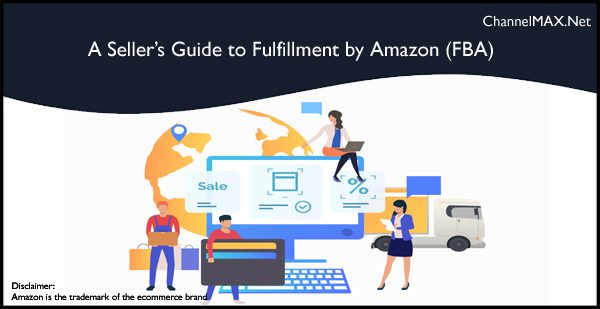
Learn how Amazon FBA works, explore its benefits and drawbacks, and decide whether it’s the right fulfillment strategy for your Amazon business.
Amazon’s Fulfillment by Amazon (FBA) program has transformed how many sellers manage their businesses. Instead of handling storage, packing, shipping, customer support, and returns on their own, sellers can rely on Amazon’s fulfillment system to take care of these tasks. This allows businesses to focus more on sourcing products, marketing, and growth.
While FBA offers convenience and access to Amazon’s massive customer base, it is not the perfect solution for every seller. Understanding both the advantages and limitations can help you determine whether FBA aligns with your business goals. In this guide, we’ll explain how FBA works, its benefits and challenges, and the factors you should evaluate before getting started.
What Is Fulfillment by Amazon (FBA)?
Fulfillment by Amazon (FBA) is a service offered by Amazon where they manage much of the operational side of your business. Instead of storing and shipping products yourself, Amazon handles these responsibilities through its fulfillment centers.
How Amazon FBA Works
1. Ship Inventory to Amazon: You send your products to Amazon fulfillment centers, where they are prepared for storage and future orders.
2. Amazon Stores Your Products: Your inventory is securely stored in Amazon warehouses until customers place orders.
3. Amazon Handles Order Fulfillment: When a customer purchases your product, Amazon picks, packs, and ships the order directly to the buyer.
4. Amazon Manages Customer Support and Returns: Amazon also takes care of customer inquiries, returns, refunds, and other post-purchase support.
For sellers who want to scale without managing logistics themselves, FBA can be a valuable solution. By outsourcing fulfillment operations, sellers gain more time to focus on business growth and product development.
Benefits of Using Amazon FBA
1. Access to Prime Customers: Products enrolled in FBA automatically become eligible for Amazon Prime. Prime members often prefer products that offer fast and free shipping, which can help increase your sales.
Having the Prime badge can also make your listings more attractive and improve visibility in Amazon search results.
2. Easier Order Fulfillment: With FBA, Amazon takes care of storing, packing, and shipping your products. This saves you time and reduces the effort needed to manage daily operations.
Instead of handling logistics, you can focus on finding new products, marketing, and growing your business.
3. Better Chance of Winning the Buy Box: The Buy Box is where most Amazon sales happen. Amazon often favors sellers who can provide fast and reliable delivery.
Since FBA products are shipped by Amazon, they usually have a better chance of winning the Buy Box and generating more sales.
4. Sell to Customers in More Countries: FBA makes it easier to reach customers in different countries. Amazon helps manage many of the shipping and fulfillment tasks involved in international selling.
This allows sellers to expand into new markets without having to handle complex logistics on their own.
5. Amazon Handles Customer Service: Amazon manages customer questions, returns, and refunds for FBA orders. This reduces your workload and helps provide a smooth shopping experience.
Because customers already trust Amazon’s service, using FBA can help build confidence in your products and encourage repeat purchases.
Challenges of Amazon FBA
1. FBA Fees Can Be Expensive: While FBA saves time and effort, it has some fees. Amazon charges for storing, packing, and shipping your products. There may also be extra fees for oversized items or slow-selling items.
Before using FBA, make sure your product pricing covers these costs and still leaves room for profit.
2. Storage Fees for Slow-Moving Products: If your products stay in Amazon’s warehouses for a long time, Amazon will charge additional storage fees.
This can become expensive if products do not sell quickly. Keeping track of inventory and avoiding overstocking can help reduce these costs.
3. Less Control Over Your Inventory: When you use FBA, your products are stored in Amazon’s fulfillment centers instead of your own warehouse.
Although this is convenient, you have less direct control over your inventory. In some cases, products may be misplaced or damaged during storage or shipping.
4. Limited Control Over Returns: Amazon handles returns for FBA orders, making the process easier for sellers.
However, sellers have little control over return decisions. Sometimes, customers may receive refunds even when returned items are used or damaged, resulting in losses for the seller.
5. Competition Can Be Tough: Many sellers use FBA, which means competition can be high in popular product categories.
In some cases, Amazon may also sell similar products under its own brands. This makes it important to focus on product quality, branding, and customer experience to stay competitive.
Also Read: How to Reduce Amazon FBA Fees
Why Many Sellers Choose Amazon FBA
FBA removes many of the operational challenges associated with e-commerce. Sellers can spend less time managing logistics and more time focusing on product sourcing, advertising, and business growth.
The combination of Prime eligibility, fast shipping, trusted customer service, and improved visibility makes FBA an attractive option for many businesses. However, the value of FBA depends on your product type, margins, and long-term goals.
Is Amazon FBA the Right Choice for Your Business?
Fulfillment by Amazon (FBA) is often a strong fit for sellers who:
- Sell lightweight or compact products.
- Have healthy profit margins.
- Want to scale without managing fulfillment themselves.
- Depend heavily on Prime shoppers.
- Need a more efficient way to handle customer service and shipping.
However, FBA may not be ideal for every situation. Businesses with low-margin products or inventory that moves slowly may struggle with fulfillment and storage costs.
Testing FBA with a limited number of products can help determine whether the program works for your business model before expanding further.
Important Factors to Consider Before Using FBA
1. Understand Your Costs: Before choosing FBA, calculate all the costs involved, including storage fees, fulfillment fees, and return-related charges. Make sure your product can still generate a healthy profit after these expenses. Amazon’s FBA calculator can help you estimate your costs more accurately.
2. Choose the Right Products: FBA works best for products that are small, lightweight, and sell regularly. These products usually have lower storage and shipping costs, making it easier to stay profitable. Items with high sales velocity can also reduce the risk of long-term storage fees.
3. Keep Track of Your Inventory: Managing inventory is important when using FBA. Too much stock can increase storage fees, while running out of stock can hurt your sales and rankings. Monitor your inventory regularly and plan ahead to maintain the right stock levels.
4. Look at What Competitors Are Doing: Check whether other successful sellers in your niche are using FBA. If their products are benefiting from Prime eligibility and faster shipping, FBA may help you stay competitive as well.
5. Start with a Small Test: You don’t need to move all your products to FBA immediately. Start with a few products first and see how they perform. This allows you to understand the costs, sales impact, and overall benefits before expanding further.
To summarize, Amazon FBA can be a powerful tool for sellers looking to simplify operations and scale their businesses more efficiently. By outsourcing fulfillment, storage, shipping, and customer support, sellers get more time to focus on growth and customer acquisition.
However, success with FBA depends on understanding the costs involved and ensuring they align with your profit margins and business strategy. Carefully evaluating your products, inventory management practices, and long-term goals will help you determine whether FBA is the right fit.
When used strategically, Amazon FBA can help sellers improve customer experience, increase visibility, and build a stronger ecommerce business.
Disclaimer:
Amazon is the registered trademark of the e-commerce brand.
Frequently Asked Questions (FAQs)
1. Is Amazon FBA worth it for new sellers?
Amazon FBA can be a good option for new sellers because it simplifies logistics and gives products access to Prime shipping. However, sellers should carefully calculate fees and profit margins before getting started.
2. Does Amazon FBA help sellers win the Buy Box?
Yes. FBA products often have a higher chance of winning the Buy Box because Amazon favors listings that offer fast and reliable fulfillment to customers.
3. Can Amazon FBA help increase sales?
Many sellers see higher sales with FBA because their products become Prime-eligible, which improves visibility and attracts customers who prefer fast shipping.
4. How do I know if Amazon FBA is right for my business?
Start by calculating your costs, evaluating your product type, reviewing competitor strategies, and testing a few products with FBA. This helps you determine whether the benefits outweigh the costs for your business.
5. Which products are best suited for Amazon FBA?
Small, lightweight, fast-selling, and high-margin products are usually the best fit for Amazon FBA because they generate lower storage and fulfillment costs.
6. Should I use Amazon FBA or fulfill orders myself?
The right choice depends on your products, profit margins, and business goals. FBA is often better for sellers who want to scale quickly, while self-fulfillment may work better for low-volume or oversized products.
7. How can I reduce Amazon FBA costs?
You can lower FBA costs by managing inventory carefully, avoiding long-term storage fees, selling fast-moving products, and regularly reviewing your pricing strategy to maintain healthy profit margins.
8. Can I use Amazon FBA for international selling?
Yes. Amazon FBA can help sellers expand into international marketplaces by handling much of the storage, shipping, and fulfillment process across different regions.