Simple strategies to lower fulfillment costs, manage inventory wisely, and improve your profit margins on Amazon.
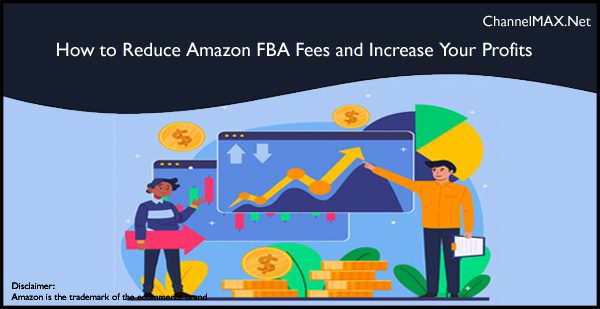
Amazon FBA (Fulfillment by Amazon) helps sellers store products, ship orders, and provide customer service. It saves time and makes it easier to grow your business. However, these benefits come with fees, and if you are not careful, they can reduce your profits.
The good news is that you don’t have to stop using FBA to save money. With better planning and smarter decisions, you can lower your FBA costs while continuing to enjoy the benefits of Amazon’s fulfillment network.
In this guide, you’ll learn simple ways to reduce Amazon FBA fees and improve your profit margins.
What are Amazon FBA Fees?
Amazon charges different types of fees for products fulfilled through FBA. Some of the most common ones include:
- Fulfillment fees: Charges for picking, packing, shipping, and handling customer orders.
- Storage fees: Monthly charges for storing products in Amazon fulfillment centers.
- Aged inventory fees: Extra charges for inventory that stays in Amazon’s warehouse for a long time.
- Referral fees: A percentage of each sale that Amazon charges based on the product category.
- Additional service fees: These may include returns processing, removal orders, or optional prep services.
Understanding these fees helps you identify where you can reduce unnecessary costs.
Strategies to Reduce Amazon FBA Fees
1. Send the Right Amount of Inventory: One of the biggest reasons Amazon sellers pay high FBA fees is sending too much inventory to Amazon’s fulfillment centers. While it’s important to keep products in stock, sending more units than you can sell quickly increases your storage costs. Products that remain in Amazon’s warehouses for an extended period may also incur aged inventory fees.
Instead of sending all your inventory at once, try to replenish stock based on your sales performance. This helps you keep enough products available without paying for unnecessary storage space.
Review your inventory regularly and identify products that are selling slowly. If demand drops, adjust your future shipments instead of continuing to send the same quantities.
Tips to manage inventory more efficiently:
- Restock based on your recent sales instead of guessing future demand.
- Check inventory reports weekly or monthly.
- Use past sales data to forecast future demand.
- Send additional stock only before major shopping events or busy seasons.
Good inventory planning helps reduce storage costs while ensuring customers can still buy your products when they need them.
2. Reduce Product Size and Weight: Amazon calculates FBA fulfillment fees using your product’s size and shipping weight. Even small changes to your packaging can sometimes move your product into a lower fee category, helping you save money on every order.
Many sellers use larger boxes or extra packing materials without realizing how much it increases their fulfillment costs. Before sending products to Amazon, check your packaging and remove anything that isn’t necessary while still protecting the product during shipping.
You should also make sure Amazon has recorded the correct dimensions and weight for your products. Incorrect measurements can result in higher fees than you should actually pay.
Ways to reduce fulfillment costs:
- Use smaller boxes whenever possible.
- Choose lightweight packaging materials.
- Remove unnecessary packaging inserts.
- Verify your product measurements in Seller Central.
Saving even a small amount on every order can make a significant difference over hundreds or thousands of sales.
3. Keep Your Inventory Moving: Products that sell quickly usually cost less to store than products that sit in Amazon’s warehouses for months. Slow-moving inventory not only increases storage fees but also ties up your money in products that aren’t generating sales.
Regularly review your inventory performance and take action before products become aged inventory. If certain items are not selling, look for ways to improve their visibility or encourage customers to purchase them.
You can increase sales by improving your product listings, running promotions, or updating your advertising campaigns. Sometimes, even better product images or clearer descriptions can improve your conversion rate.
Ways to increase inventory turnover:
- Run discounts or limited-time promotions.
- Improve product titles, descriptions, and images.
- Use Amazon advertising to increase visibility.
- Remove products that are no longer profitable.
The faster your products sell, the less you spend on storage fees and the better your cash flow becomes.
4. Review Your Product Prices Regularly: Pricing plays a major role in your overall profitability. If your prices are too low, Amazon fees can take away a large portion of your profits. If your prices are too high, customers may choose a competitor instead.
Instead of setting your prices once and forgetting about them, review them regularly. Monitor competitor prices, changes in Amazon fees, advertising costs, and your overall profit margins.
Many Amazon sellers use automated repricing software to stay competitive without constantly adjusting prices manually. A good repricing strategy helps you win more sales while protecting your minimum profit margin.
Tools like ChannelMAX Repricer automatically adjust prices and ensure your products remain competitive without sacrificing profitability.
When reviewing your prices, remember to include all business costs, such as:
- Amazon fulfillment fees.
- Referral fees.
- Advertising costs.
- Shipping and packaging expenses.
- Product sourcing costs.
A balanced pricing strategy helps you remain competitive while ensuring every sale is still profitable.
5. Create Product Bundles: Product bundling is a simple way to increase the value of each order while improving your overall profitability. Instead of selling related products separately, combine them into one listing and sell them as a package.
Customers often appreciate bundles because they receive everything they need in one purchase. Bundles can also help you sell slower-moving products by pairing them with popular items.
For example, if you sell kitchen products, you could bundle a cutting board with a vegetable peeler. If you sell fitness products, you could combine resistance bands with a workout guide.
When creating bundles:
- Choose products that naturally complement each other.
- Make sure the bundle offers value to customers.
- Clearly show everything included in the listing.
- Price the bundle competitively.
Well-planned bundles can increase your average order value while helping reduce fulfillment costs compared to shipping multiple separate orders.
6. Remove Old Inventory Before Extra Fees Apply: Keeping products in Amazon’s warehouses for too long can become expensive. Amazon charges additional fees for inventory that remains stored for extended periods, making it important to manage slow-moving stock before those extra charges begin.
Review your inventory age reports regularly to identify products that have been sitting in storage for several months. Taking action early usually costs less than continuing to pay higher storage fees.
If certain products are not selling, consider offering discounts, running promotions, or creating removal orders so you can store or sell them elsewhere.
You can reduce aged inventory by:
- Running sales or coupons.
- Lowering prices temporarily.
- Removing slow-selling inventory.
- Improving product listings to increase sales.
Managing older inventory proactively helps protect your profits and frees up warehouse space for products that sell faster.
7. Check Your Amazon FBA Fees Regularly: Although Amazon’s systems are highly automated, mistakes can occasionally happen. Incorrect product dimensions, weight measurements, or fulfillment charges may result in higher fees than expected.
Review your FBA reports regularly to make sure you’re being charged correctly. Identifying errors early allows you to request corrections or reimbursements where appropriate.
You should also compare your expected fees with the fees Amazon actually charges. This helps you spot unusual increases before they affect your profits.
Things to check include:
- Product dimensions and weight.
- Fulfillment fees.
- Storage fees.
- Missing inventory.
- Eligible reimbursement claims.
Regular fee audits may recover money that would otherwise be lost over time.
8. Consider Using FBM for Some Products: Fulfillment by Amazon is convenient, but it isn’t always the most cost-effective option for every product. Large, heavy, low-priced, or slow-selling products may cost less to fulfill yourself through Fulfillment by Merchant (FBM).
Compare both fulfillment methods before deciding which is best for each product. In many cases, using a combination of FBA and FBM allows sellers to control costs while maintaining good customer service.
Before switching to FBM, calculate your own storage, packaging, shipping, and labor costs to make sure it will actually save money.
FBM may be worth considering for:
- Oversized products.
- Heavy items.
- Slow-selling inventory.
- Products with low profit margins.
Choosing the right fulfillment method for each product can improve your overall profitability.
9. Stay Updated on Amazon Fee Changes: Amazon occasionally updates its fee structure, storage policies, and fulfillment requirements. These changes can directly affect your profit margins, so it’s important to stay informed.
Instead of reviewing your fees only once a year, check Amazon’s announcements regularly. Understanding upcoming fee changes gives you time to adjust your prices, inventory levels, or sourcing strategy before the changes take effect.
It is also a good idea to review your business whenever Amazon introduces new policies. Small adjustments today can help prevent higher costs later.
To stay prepared:
- Read Amazon’s fee update announcements.
- Review your profit margins after every major fee change.
- Adjust your pricing strategy when necessary.
- Recalculate product profitability throughout the year.
Keeping up with Amazon’s latest updates allows you to make smarter business decisions and avoid unexpected costs.
Also Read: Is Fulfillment by Amazon (FBA) Worth It? A Comprehensive Guide for Sellers
To sum up, reducing Amazon FBA fees is not about cutting corners. It is about managing your business more efficiently. By improving inventory management, optimizing product packaging, reviewing your prices, and monitoring your fees regularly, you can lower costs while maintaining a great customer experience.
Small improvements can make a big difference over time. Review your FBA expenses regularly and look for areas where you can save money without affecting your sales.
Disclaimer:
Amazon is a registered trademark of the e-commerce brand.
1. How can I reduce my Amazon FBA fees?
You can reduce Amazon FBA fees by managing your inventory carefully, using smaller and lighter packaging, removing slow-moving products, reviewing your pricing regularly, and checking your FBA charges for any errors.
2. Why are my Amazon FBA fees so high?
Your FBA fees may be high because of oversized products, long-term storage, incorrect product dimensions, or inventory that isn’t selling quickly. Reviewing your inventory and fulfillment strategy can help lower these costs.
3. Does product size affect Amazon FBA fees?
Yes. Amazon calculates fulfillment fees based on a product’s size and shipping weight. Smaller and lighter products usually have lower fulfillment costs than larger or heavier items.
4. How can I avoid paying long-term storage fees on Amazon?
Monitor your inventory regularly and remove or discount products that are selling slowly. Keeping your inventory moving helps reduce storage costs and prevents additional aged inventory fees.
5. Is Fulfillment by Amazon (FBA) cheaper than Fulfillment by Merchant (FBM)?
It depends on the product. FBA is often more cost-effective for fast-selling and standard-size products, while FBM may be a better option for oversized, heavy, or slow-moving items. Comparing both options can help you choose the most profitable fulfillment method.
6. Should I check my Amazon FBA fees regularly?
Yes. Reviewing your FBA reports can help you identify incorrect charges, missing inventory, or reimbursement opportunities. Regular audits can help you avoid unnecessary costs.
7. How often does Amazon update FBA fees?
Amazon reviews and updates its FBA fee structure from time to time. Sellers should check Amazon’s official announcements regularly to stay informed about any changes that may affect their business.
8. What is the best way to increase profits with Amazon FBA?
The best approach is to manage inventory efficiently, optimize product packaging, review your pricing strategy, reduce unnecessary fees, and monitor your business performance regularly. Small improvements in these areas can lead to higher profits over time.