Learn How Smart Amazon Pricing Strategies Can Help You Win the Buy Box, Attract More Customers, and Maximize Profits
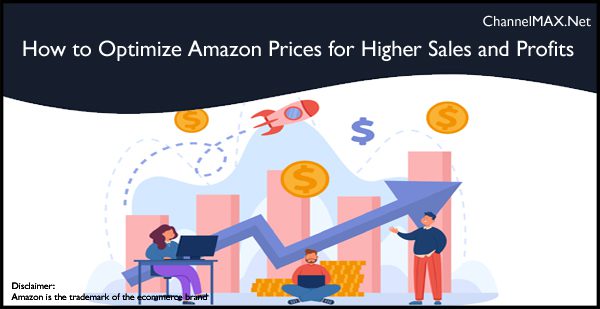
Price optimization is one of the most important parts of running a successful Amazon business. With millions of products and sellers competing on the platform, setting the right price can directly affect your sales and profits.
To stay competitive, sellers need to understand market trends, customer behavior, competitor pricing, and profit margins. Smart pricing strategies help attract more buyers, improve Buy Box chances, and increase long-term revenue.
In this guide, we’ll explain how Amazon price optimization works and how it can help grow your business.
What is Amazon Price Optimization?
Amazon price optimization is the process of strategically setting and adjusting product prices to remain competitive while maintaining profitability.
It’s not only about lowering prices. Effective price optimization means understanding your business costs, monitoring competitors, analyzing customer demand, and making pricing decisions that increase both sales and profitability.
By using the right pricing strategy, sellers can attract more customers, improve product visibility, and increase their chances of winning the Amazon Buy Box.
Why is Price Optimization Important for Amazon Sellers?
1. Helps You Win the Buy Box: The Buy Box is where most of the Amazon purchases happen. Competitive pricing is one of the main factors Amazon considers when deciding which seller wins the Buy Box.
Sellers who regularly optimize their pricing have a better chance of appearing in the Buy Box, leading to more visibility and higher sales.
2. Keeps You Competitive: Amazon’s marketplace changes quickly, and competitor prices can change many times throughout the day.
Price optimization helps you respond to market changes faster so you can stay competitive and avoid losing customers to lower-priced sellers.
3. Increases Profitability: Setting the right price helps balance sales volume and profit margins.
Pricing products too low may increase sales but reduce profits, while pricing too high can reduce conversions. Proper price optimization helps you find the best balance between revenue and profitability.
4. Adapts to Seasonal Demand: Customer demand changes during holidays, shopping seasons, and special events.
Price optimization allows sellers to adjust prices based on demand trends and maximize profits during high-traffic periods like Prime Day, Black Friday, or festive seasons.
5. Builds Customer Trust: Customers prefer sellers with fair and stable pricing. Consistent pricing builds trust and improves customer experience, increasing the chances of repeat purchases and positive reviews over time.
How to Optimize Prices on Amazon
1. Understand All Your Costs: Before setting product prices, calculate all business expenses, including:
- Product manufacturing costs
- Shipping expenses
- Amazon FBA fees
- Advertising costs
- Packaging and operational costs
Knowing your total costs helps you set profitable minimum pricing limits. Many sellers focus only on product cost and forget hidden expenses such as storage fees, returns, and PPC spending, which can reduce profits. A clear understanding of your total expenses helps you avoid pricing products too low and losing money over time.
2. Monitor Competitor Pricing: Tracking competitor prices helps you understand current market conditions. Using repricing tools can automate competitor analysis and help adjust your prices in real time based on market changes.
Competitor monitoring also helps you identify pricing trends, seasonal discounts, and Buy Box patterns. Instead of constantly lowering prices, you can create smarter pricing strategies that keep your products competitive while maintaining healthy profit margins.
3. Test Different Pricing Strategies: Different pricing methods can influence customer buying behavior.
For example:
- Prices ending in “.99” often appear more attractive to shoppers.
- Running discounts, coupons, or bundle offers can also improve conversions and increase sales.
- You can also experiment with limited-time deals, quantity discounts, or premium pricing strategies, depending on your product category.
Testing different approaches regularly helps you understand what works best for your audience and improves long-term profitability.
4. Use Sales Data and Market Insights: Analyzing previous sales data helps identify trends and customer demand patterns. You can use this information to adjust pricing during peak seasons or improve the performance of slow-moving products.
Reviewing metrics like conversion rates, click-through rates, and customer behavior can help you make more informed pricing decisions. Data-driven pricing helps sellers respond better to changing demand rather than relying on guesswork.
5. Use Automated Pricing Tools: Tools like ChannelMAX Repricer automatically adjust product prices based on competitor activity, market trends, and your pricing rules. Automation saves time, reduces manual work, and helps maintain competitive pricing around the clock.
Automated repricing tools can quickly respond to market changes much faster than manual updates, which is especially important in highly competitive categories. They also help sellers avoid pricing mistakes while improving Buy Box opportunities and overall sales performance.
Also Read: How to Start and Grow a Brand on Amazon
Common Challenges in Price Optimization and How to Solve Them
1. Frequent Market Changes: Amazon prices can change many times throughout the day because of competition, seasonal demand, and automated repricing tools used by other sellers. This makes manual price management very difficult, especially for businesses with large inventories.
To handle this challenge, sellers should use automated repricing tools like ChannelMAX that monitor competitor pricing and market trends in real time. Automation helps sellers react faster to market changes while maintaining competitive pricing without the need for constant manual work.
2. Balancing Sales and Profits: Lowering prices may help increase sales volume, but it can also reduce your profit margins if pricing is not managed properly. On the other hand, pricing products too high may reduce conversions and cause buyers to choose competitors.
Instead of competing only on price, focus on providing value through product quality, branding, customer service, and listing optimization. Using pricing tools can also help identify the best price range that balances both profitability and sales performance.
3. Managing Large Product Catalogs: Handling prices manually for hundreds or thousands of products takes a lot of time and increases the chances of errors. It also becomes difficult to keep up with competitor price changes across multiple listings.
Bulk repricing tools help automate this process by updating prices quickly across your inventory. This saves time, improves efficiency, and allows sellers to focus more on growing the other parts of their business.
4. Incorrect Demand Predictions: If sellers fail to understand customer demand correctly, they may price products too high for slow-moving items or too low for products with strong demand. This can cause missed sales opportunities or reduce profits.
Analyzing sales reports, seasonal trends, and customer behavior helps sellers make better pricing decisions. Regularly reviewing historical data also helps identify patterns and adjust prices based on demand fluctuations throughout the year.
5. Following Amazon Pricing Policies: Amazon has strict fair pricing policies to protect customers from extremely high or misleading prices. Sellers who violate these policies may face listing suppression, Buy Box removal, or account warnings.
To avoid such problems, sellers should regularly review Amazon’s pricing guidelines and use pricing automation tools responsibly. Setting minimum and maximum price limits can help maintain compliance while remaining competitive in the marketplace.
How ChannelMAX Helps with Amazon Price Optimization
1. Dynamic Repricing: ChannelMAX automatically adjusts your product prices based on competitor activity, market trends, and your pricing rules. This helps you stay competitive without the need to constantly monitor prices manually.
The tool reacts to price changes in real time, helping sellers avoid losing sales opportunities while still protecting profit margins. Automated repricing also reduces the chances of human error and keeps your listings competitive 24/7.
2. Buy Box Optimization: Winning the Amazon Buy Box is important because most sales happen there. ChannelMAX uses intelligent repricing strategies to improve your chances of winning the Buy Box without unnecessarily lowering prices.
Instead of simply offering the lowest price, the tool focuses on balanced pricing strategies that help maintain profitability while increasing visibility and conversions.
3. Flexible Pricing Rules: ChannelMAX allows sellers to create custom pricing rules based on their business goals. You can set minimum and maximum pricing limits to make sure your products remain profitable even when competitor prices change frequently.
This flexibility helps sellers avoid pricing mistakes that could lead to losses or account issues caused by unnecessary price changes.
4. Real-Time Market Data: ChannelMAX provides real-time insights into competitor pricing, market trends, and pricing movements. These insights help sellers make faster and smarter decisions based on current marketplace conditions.
Having access to live market data also helps sellers identify pricing opportunities during seasonal demand spikes, sales events, and changing customer behavior.
5. Saves Time and Effort: Managing prices manually across a large inventory can take hours every day. ChannelMAX automates the entire pricing process, reducing manual workload and saving valuable time.
With pricing automation handling repetitive tasks, sellers can focus more on growing the other parts of their business, such as improving product listings, launching new products, and increasing sales.
Tips for Better Amazon Price Optimization
1. Focus on Product Value: Don’t compete only on price. Highlight your product’s quality, unique features, durability, and benefits in your listing to show customers why your product is worth buying.
Use high-quality images, videos, comparison charts, and clear descriptions to increase the perceived value of your product. When customers understand the benefits clearly, they are often willing to pay a slightly higher price.
Sellers should also focus on building trust through good reviews, fast shipping, and strong branding. A well-presented product usually performs better even when it is not the cheapest option available.
2. Analyze Competitors Regularly: Regular competitor analysis helps you understand current market trends and pricing strategies in your niche.
Monitor how competitors adjust their prices during holidays, sales events, or low-demand periods. This helps you identify pricing patterns and react faster to changes in the marketplace.
Sellers should also compare other important factors such as product ratings, shipping speed, reviews, and listing quality. Sometimes customers choose higher-priced products because the listing looks more trustworthy or offers better value.
Using automated repricing and competitor tracking tools can make this process easier and more accurate.
3. Use Discounts and Promotions: Discounts and promotions can help improve product visibility, increase conversions, and attract more customers.
Limited-time offers, coupons, Lightning Deals, and bundle discounts create urgency and encourage buyers to purchase quickly. Promotions are especially useful during main shopping events like Prime Day, Black Friday, or festive seasons. Offering free shipping or bulk purchase discounts can also improve customer satisfaction and increase average order value.
However, sellers should plan promotions carefully to avoid reducing profits too much. The goal should be to increase sales volume while maintaining healthy margins.
4. Use Data Analytics: Sales data and analytics help sellers make smarter pricing decisions based on real customer behavior. Track important metrics such as conversion rates, click-through rates, sales velocity, return rates, and customer feedback. These insights help you understand which pricing strategies are working and which need improvement.
For example, if a product performs well during certain months, you can slightly increase prices during peak demand periods to improve profitability.
Analytics can also help identify slow-moving products so you can adjust pricing, run promotions, or improve listings to increase sales.
5. Automate Where Possible: Manually adjusting prices across multiple products takes time and can lead to mistakes, especially in highly competitive categories.
Automated repricing tools like ChannelMAX help sellers update prices in real time based on competitor activity, market trends, inventory levels, and pricing rules. Automation helps maintain competitive pricing 24/7 without constant monitoring. It also improves Buy Box chances by reacting faster to price changes in the marketplace.
By automating repetitive pricing tasks, sellers can focus more on growing their business, improving listings, launching new products, and managing customer experience.
To summarize, Amazon price optimization is an important strategy for increasing sales, improving visibility, and maximizing profits. By understanding your costs, monitoring competitors, analyzing market trends, and using automation tools like ChannelMAX, you can create smarter pricing strategies that help your business grow. The right pricing approach not only improves sales performance but also helps you stay competitive in the fast-changing Amazon marketplace.
Disclaimer:
Amazon is the registered trademark of the e-commerce brand.
Frequently Asked Questions (FAQs)
1. Why is price optimization important for Amazon sellers?
Price optimization helps sellers increase visibility, improve conversions, stay competitive, and maximize profits. Proper pricing also improves the chances of winning the Amazon Buy Box, where most sales happen.
2. How does Amazon decide who wins the Buy Box?
Amazon considers several factors when awarding the Buy Box, including competitive pricing, seller performance, shipping speed, inventory availability, and customer service metrics. Pricing plays a major role in Buy Box eligibility.
3. What is the best pricing strategy for Amazon sellers?
The best pricing strategy depends on your product category, competition, and profit goals. Many sellers use dynamic pricing, psychological pricing, bundle offers, and automated repricing tools to stay competitive while protecting profits.
4. Can lowering prices increase Amazon sales?
Yes, competitive pricing can improve sales and visibility, but lowering prices too much may reduce profit margins. Sellers should focus on balancing profitability and competitiveness instead of only offering the lowest price.
5. What are Amazon repricing tools?
Amazon repricing tools automatically adjust product prices based on competitor pricing, market trends, and seller-defined rules. These tools help sellers stay competitive and save time by automating price changes.
6. How often should Amazon sellers adjust prices?
Amazon sellers should monitor and adjust prices regularly because marketplace prices can change many times a day. Automated repricing tools are useful for making fast and accurate pricing updates.
7. Does Amazon have pricing rules for sellers?
Yes, Amazon has a Fair Pricing Policy that prevents sellers from setting excessively high or misleading prices. Violating these policies can lead to listing suppression or account penalties.
8. What factors should sellers consider before setting product prices?
Sellers should consider manufacturing costs, shipping charges, Amazon FBA fees, advertising expenses, competitor pricing, customer demand, and target profit margins before deciding product prices.